Do You Really Need to File a Self Assessment Tax Return?
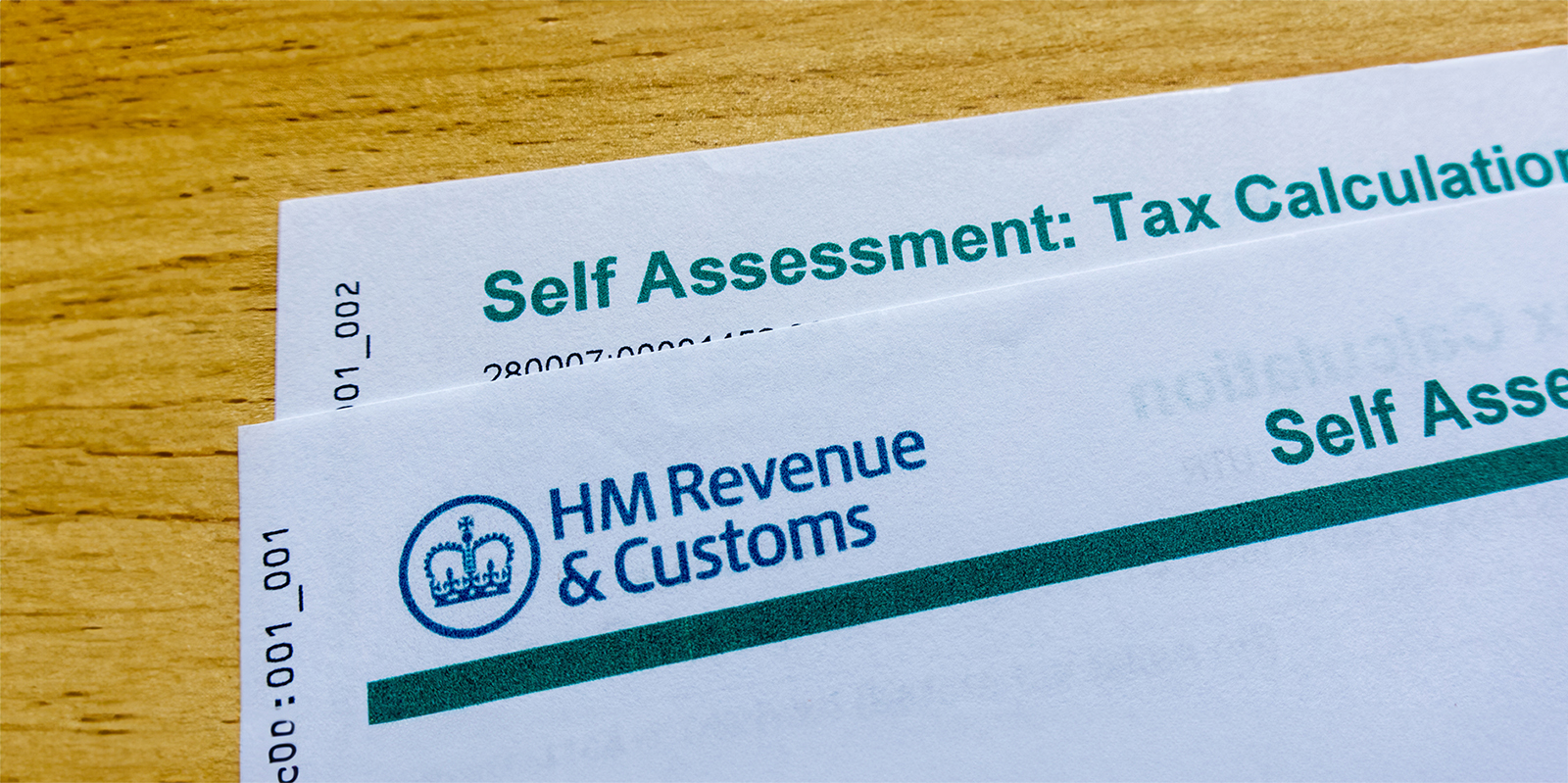
Self assessment tax return help is crucial if you are unsure whether you need to file a return or not. Every year, many people in the UK are unsure whether HMRC expects a return from them or whether PAYE has already taken care of everything.
This guide from Crossmarket Accounting walks through the key situations where a tax return is usually required and what to do next if you think you might be within Self Assessment
Who Usually Has to File a Tax Return?
You may need to file a Self Assessment tax return if one or more of the following applies to you. These are common triggers and not an exhaustive list.
-
You are self‑employed as a sole trader and earned more than the trading allowance (currently £1,000 gross in a tax year).
-
You are in a business partnership (each partner normally files a personal return and the partnership files a separate partnership return).
-
You receive significant untaxed income, for example rental profits, dividends, interest, foreign income, profit‑making “side hustles” or gains on cryptoassets.
-
You or your partner are liable to the High Income Child Benefit Charge, which can apply where income exceeds the relevant Child Benefit threshold for the year.
-
You have made chargeable capital gains, for example on the sale of certain shares or property, and those gains are not fully covered by available reliefs and allowances.
-
HMRC has sent you a formal notice to complete a tax return; once this happens, you are legally required to file, even if you believe no tax is due.
Because tax rules and thresholds change over time, it is important to check the latest HMRC guidance or take personalised advice for your exact tax year.
Examples of Income That Can Trigger Self Assessment
Taxable income is wider than just your salary. Common sources that may mean you need to complete a return include:
-
Self‑employed income from freelancing, consulting, coaching, content creation or other services.
-
Online trading income from platforms such as Etsy, eBay, Vinted, Fiverr and similar, where selling has moved beyond an occasional hobby and makes a profit.
-
UK rental income from letting out property or rooms, including multiple properties and holiday lets.
-
Dividends and bank interest above available allowances, and other investment income.
-
Foreign income, such as overseas employment income, rental income, pensions or investment returns.
-
“Cash in hand” work where tax has not already been deducted.
-
Certain pension and investment withdrawals, or gains on the disposal of assets (including some cryptoassets) that may be subject to Capital Gains Tax.
Whether a particular type of income is taxable and whether it requires a tax return depends on amounts, allowances and your wider circumstances, so tailored advice is recommended.
Quick Self Assessment Checklist
You may need to register and file a Self Assessment tax return if, for the relevant tax year, you:
-
Earned more than £1,000 from self‑employment or side‑business activity.
-
Receive rental, dividend, foreign or investment income that is not fully taxed at source.
-
Have a tax underpayment that cannot be collected entirely through your PAYE tax code.
-
Have income at a level where HMRC expects a return, for example a high income above current thresholds.
-
Are liable to the High Income Child Benefit Charge for that year.
-
Have been specifically told by HMRC to complete a tax return.
If any of these apply, it is usually sensible to check your position early, rather than waiting until close to the filing deadline.
Registering for Self Assessment and Getting a UTR
If you conclude that you need to submit a tax return, you must register for Self Assessment with HMRC and obtain a Unique Taxpayer Reference (UTR). Without a UTR, you will not be able to file your return online
Registration deadlines and the method of registering differ depending on whether you are self‑employed, in a partnership, or have other untaxed income, so ensuring you follow the correct route is important.
How Crossmarket Accounting Can Help
Self Assessment can be time‑consuming and stressful, especially if you have several income sources or are filing for the first time. Crossmarket Accounting can:
-
Confirm whether Self Assessment applies to you for a particular tax year.
-
Register you with HMRC and help obtain or recover your UTR number.
-
Prepare and file your tax return accurately and on time.
-
Advise on allowable expenses, reliefs and how to structure your affairs more efficiently.
-
Provide ongoing bookkeeping and accounting support, so future returns are easier and better organised.
For tailored self assessment tax return help, contact Crossmarket Accounting today contact for a no‑obligation consultation.
Important disclaimer
This blog provides general information only and does not constitute tax, legal or financial advice. Tax rules change and how they apply depends on your individual circumstances; you should seek personalised advice from a qualified professional before taking or refraining from any action.